From solar and wind power to bioenergy and hydroelectricity, numerous renewable energy options are available today. In this article, we explore the advantages and inconveniences of various renewable energy sources, both present and future, highlighting their potential to shape a sustainable energy landscape.
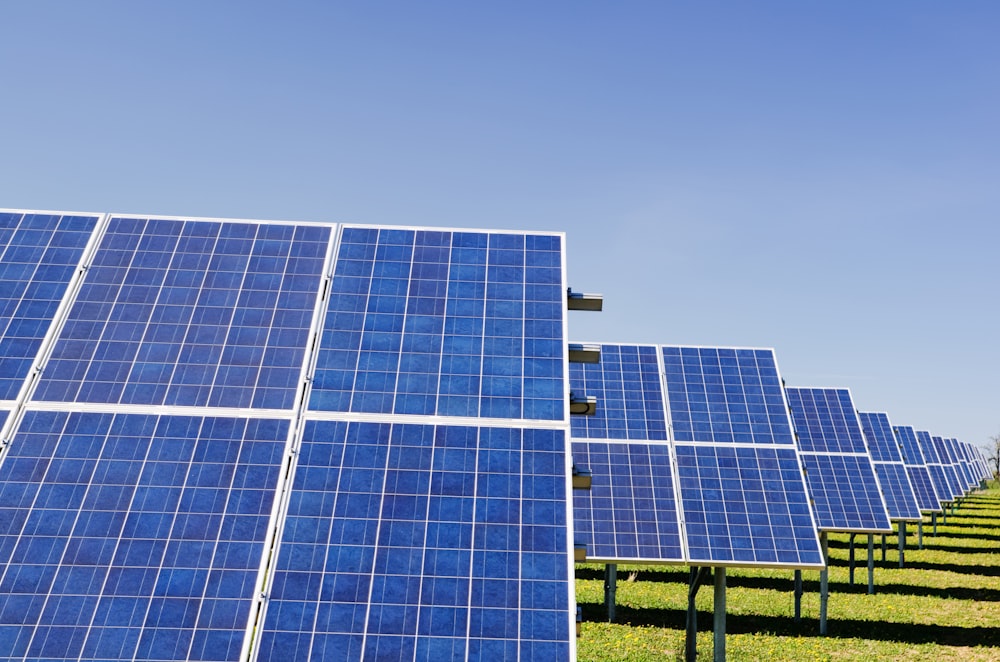
• Abundance and scalability: Solar energy is available in abundance globally, and solar panels can be installed on rooftops, in large solar farms, and even integrated into building materials.
• Clean and sustainable: Solar energy produces no greenhouse gas emissions during operation, making it environmentally friendly.
• Reduced energy costs: Installing solar panels can lead to long-term cost savings on electricity bills.
Inconveniences associated with solar energy include:
• Intermittency: Solar power generation is dependent on sunlight availability, making it intermittent and challenging to store excess energy for later use.
• High upfront costs: While solar costs have decreased over time, the initial investment for solar panel installation can be significant.

• Abundance and scalability: Wind energy is abundant in many regions, and wind farms can range from small-scale installations to large offshore projects.
• Carbon-free electricity: Wind energy produces no greenhouse gas emissions during operation, contributing to reduced carbon footprint.
• Cost competitiveness: Wind power has become increasingly cost-competitive with conventional energy sources, making it an attractive option for electricity generation.
Inconveniences associated with wind energy include:
• Visual and noise impact: Wind turbines can be visually and audibly intrusive, leading to concerns in certain landscapes and residential areas.
• Land and wildlife impact: Large-scale wind farms require substantial land, potentially affecting ecosystems and wildlife habitats.

• High energy efficiency: Hydropower has one of the highest energy conversion efficiencies among renewable energy sources.
• Reliable and dispatchable: Large-scale hydropower installations can provide constant and predictable power, supporting grid stability.
• Water management: Hydropower projects often incorporate water storage and flood control, facilitating water management and irrigation.
Inconveniences associated with hydropower include:
• Environmental impact: Large dams can cause habitat disruption, alter river ecosystems, and affect fish migration patterns.
• Limited suitable locations: Not all areas have the topography and water resources necessary for cost-effective hydropower generation.
 Bioenergy is derived from organic matter such as biomass, biofuels, and biogas. Advantages of Bioenergy include:
• Waste Utilization: Bioenergy can be generated from agricultural waste, forest residues, and organic materials, contributing to waste management.
• Renewable and Versatile: Bioenergy sources can be replenished, and various feedstocks can be utilized, providing flexibility.
Inconveniences associated with Bionenergy are:
• Land and Water Use: Cultivating biomass crops for energy production may compete with food production and require substantial land and water resources.
• Emission Concerns: Depending on the production process, bioenergy may release emissions during conversion or combustion, requiring careful management.
 Geothermal energy taps into heat stored beneath the Earth’s surface to generate electricity or provide direct heating and cooling, offering a continuous and reliable renewable energy option. Advantages of geothermal energy include:
• Renewable and Sustainable: Geothermal energy is a renewable resource as it harnesses heat from the Earth’s interior, which is continuously produced through natural processes.
• Low Greenhouse Gas Emissions: Geothermal power plants emit significantly fewer greenhouse gases compared to fossil fuel-based power plants.
• Reliable and Constant Power Supply: Geothermal energy provides a reliable and constant power supply since it is not dependent on weather conditions or daylight hours.
The main inconveniences of geothermal energy are:
• Location Dependency: Geothermal resources are not evenly distributed globally, making geothermal energy location-dependent. Regions with high geothermal potential can benefit, but other areas may not have access to viable geothermal resources.
• High Initial Costs: The upfront costs of drilling wells and building geothermal power plants can be substantial.
• Resource Depletion and Decline in Reservoir Temperature: Continuous extraction of geothermal fluids from the Earth’s crust can lead to resource depletion, resulting in a decline in the temperature of the geothermal reservoir.
Future Renewable Energy Technologies:
In addition to the present available renewable energies, advancements in technology and ongoing research hold promise for future renewable energy sources. These include:
• Tidal and Wave Energy: Tidal and wave energy technologies harness the energy from ocean tides and waves to generate electricity, offering a predictable and consistent renewable energy source.
• Hydrogen Energy: Producing hydrogen from renewable sources for use in fuel cells and transportation, hydrogen energy has potential for zero-emission applications.
Renewable energy sources present significant advantages for a sustainable energy transition. While solar and wind power dominate the current renewable landscape, hydropower and bioenergy offer their unique benefits. However, each energy source has its inconveniences, including intermittency, high costs, land use, and environmental impacts. Embracing future options like tidal energy and hydrogen energy could further diversify the renewable energy mix. By understanding and leveraging the advantages of each renewable energy source while addressing their limitations, we can pave the way toward a cleaner, more sustainable energy future.

 EN
EN  PT
PT