In the domain of genetic research, a groundbreaking tool has taken center stage: CRISPR-Cas9. This revolutionary method is reshaping our ability to edit genes with unprecedented precision, holding promises of medical breakthroughs while raising ethical questions.
CRISPR, which stands for Clustered Regularly Interspaced Short Palindromic Repeats, is a natural defense mechanism found in bacteria against invading viruses. Scientists harnessed this system and developed CRISPR-Cas9 as a gene-editing tool. Cas9, often compared to molecular scissors, can precisely cut DNA at specified locations.
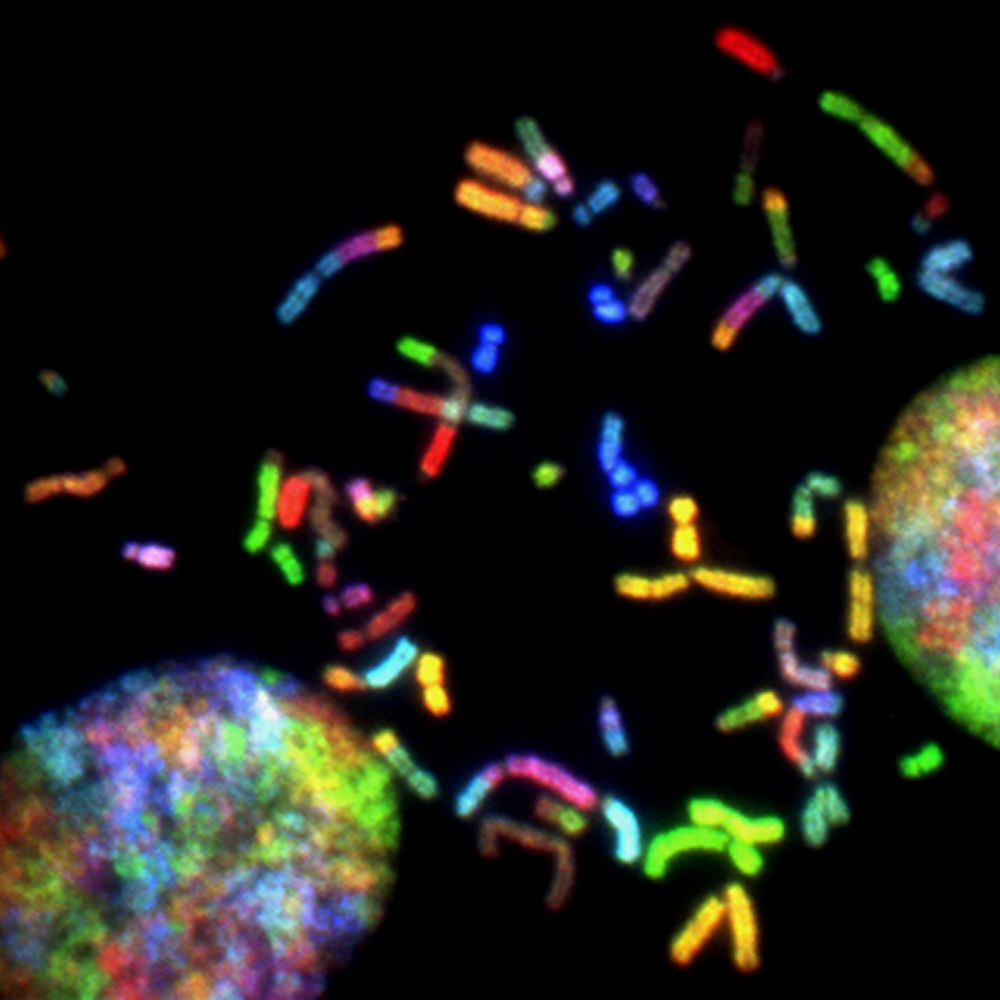
Applications in Medicine:
The potential to treat genetic disorders is one of CRISPR’s most compelling applications. By editing the DNA responsible for diseases like cystic fibrosis or sickle cell anemia, CRISPR offers hope for transformative therapies.
CRISPR allows for highly tailored treatments, paving the way for personalized medicine. It could be the key to developing targeted therapies for various cancers and other complex diseases.
Beyond medicine, CRISPR holds promise for agriculture. Scientists are exploring ways to enhance crop resistance, improve nutritional content, and develop disease-resistant livestock.
Advantages of CRISPR:
- Precision and Efficiency:
- CRISPR offers unparalleled precision in gene editing, allowing scientists to target specific genes with remarkable accuracy.
- Versatility:
- Its versatility enables applications across a spectrum, from correcting genetic mutations to modifying the genes of plants for agricultural purposes.
- Potential for Therapeutic Breakthroughs:
- CRISPR’s potential to cure genetic diseases represents a significant leap forward in the quest for effective and targeted medical treatments.

The precision of CRISPR is incredible, but there’s always the risk of unintended consequences and ethical dilemas. Off-target effects may result in unforeseen genetic changes, raising concerns about the long-term safety of the technique.
Indeed, the ability to edit the germline cells that pass genetic information to future generations raises ethical questions. The permanence of changes made to the human gene pool prompts discussions about the responsible use of such technology.
As with many technological advancements, there’s the risk of unequal access to CRISPR-based treatments. Ensuring equitable distribution and avoiding exacerbation of existing social disparities is a pressing ethical challenge.
CRISPR has unleashed a genetic revolution, holding the potential to reshape medicine, agriculture, and our understanding of life itself. As we stand at the threshold of unprecedented possibilities, the ethical dilemmas surrounding CRISPR requires thoughtful consideration, responsible use, and global collaboration.

 EN
EN  PT
PT