Mathematics, often seen as abstract confined to classrooms, is in fact omnipresent in our daily lives and in science and engineering. Find out more about the practical aspect of mathematics, and its crucial role in everyday scenarios, science and engineering.
Daily Life – Budgeting and Finances: Mathematics is the unsung hero behind sound financial decisions. Budgeting involves addition, subtraction, multiplication, and division, allowing individuals to manage income, expenses, and savings effectively. Calculating interest rates for loans or investments employs mathematical formulas, empowering individuals to make informed monetary choices.
Cooking and Measurements: The kitchen is a haven for mathematical applications. Converting units, adjusting recipe proportions, and even estimating cooking times all involve fundamental mathematical concepts. A keen understanding of fractions, ratios, and proportions ensures culinary success.
Time Management: From planning daily schedules to coordinating activities, understanding and using time efficiently involves mathematical reasoning. Calculating travel time, meeting durations, and task deadlines are routine mathematical practices.
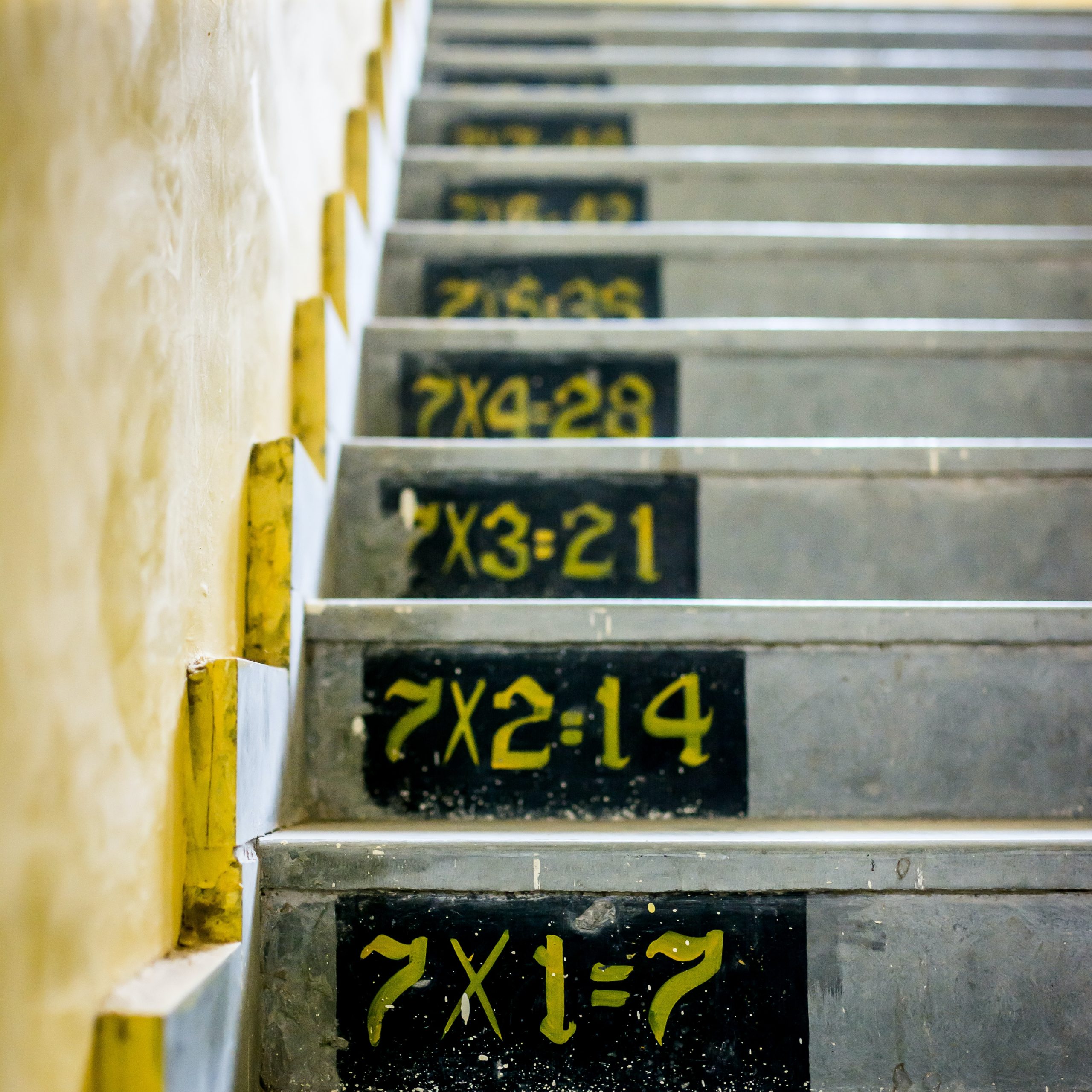
Science – Physics: The laws governing the physical world are expressed through mathematical equations. Newton’s laws of motion, with equations like F=ma, underpin our understanding of motion and force. Einstein’s E=mc² encapsulates the relationship between energy and mass, reshaping our comprehension of the universe.
Biology: Mathematics aids in modeling biological processes. Population growth, genetic inheritance, and the spread of diseases are all scrutinized using mathematical models. The Fibonacci sequence, a mathematical concept, elegantly mirrors natural patterns in flora and fauna.
Chemistry: Balancing chemical equations and understanding stoichiometry rely on mathematical principles. These calculations are essential for precise measurements in experiments and manufacturing processes.
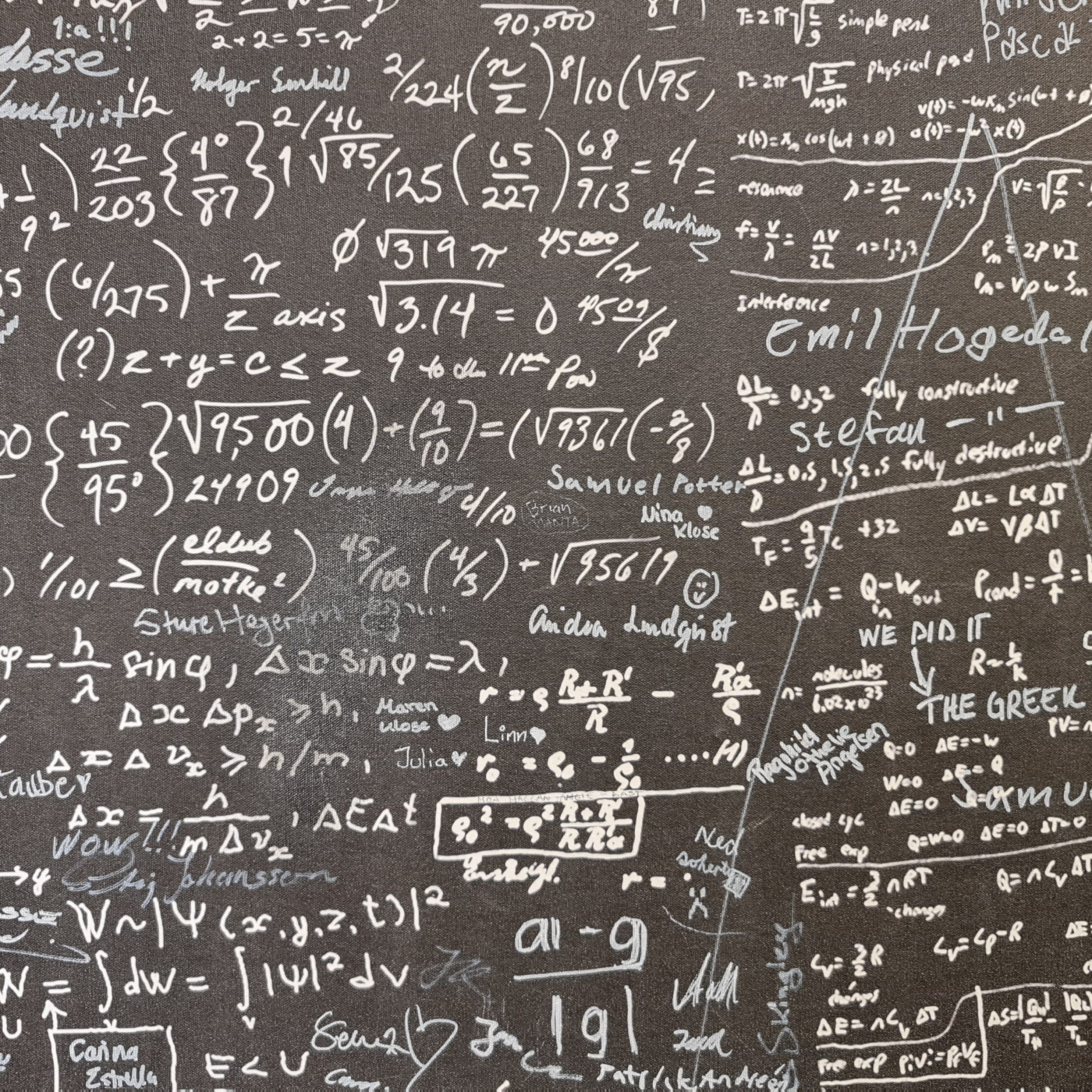
Engineering – Civil Engineering: The construction of bridges, buildings, and infrastructure involves complex mathematical calculations. Engineers use geometry, calculus, and structural analysis to ensure the stability and safety of structures.
Electrical Engineering: The design and analysis of electrical circuits rely heavily on mathematical principles. Calculus is employed to understand signals, and linear algebra is used for circuit analysis. These mathematical tools enable the creation of advanced electronic devices.
Computer Science: At the core of computer science lies discrete mathematics, algorithms, and complex equations. Cryptography, artificial intelligence, and data analysis are fields where mathematical prowess shapes technological advancements.
Conclusion: Mathematics, far from an abstract concept, is a dynamic force that permeates every aspect of our lives. From mundane daily tasks to groundbreaking scientific discoveries and engineering marvels, its applications are boundless. The real-life examples provided here showcase the importance of mathematics, its transformative power in shaping our world and driving progress in science and engineering. The appreciation for the practical aspects of mathematics allows us to understand the connection between this discipline and our daily world.

 EN
EN  PT
PT